Radon Mitigation: What It Is and How It Works
Radon is a colorless, odorless radioactive gas that can accumulate in homes. This page explains what radon is, why it matters, and the proven steps professionals take to reduce radon levels and keep your home safe.
What Is Radon?
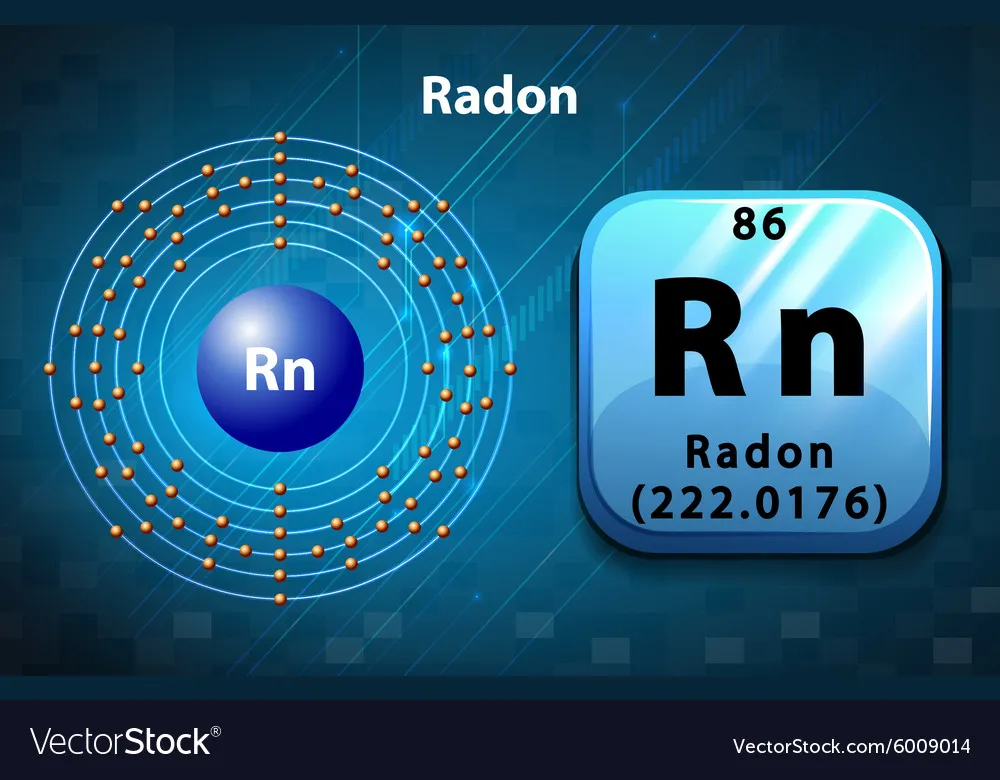
Radon is a naturally occurring radioactive gas. It forms when uranium—found in soil, rock, and groundwater—breaks down into radium, which then decays into radon gas. Because this process happens everywhere in the environment, radon is always present in outdoor air at low levels (typically around 0.4 pCi/L).
Inside homes, however, radon can accumulate to much higher concentrations. Modern houses are built tightly for energy efficiency, which reduces airflow and allows radon to become trapped. Over time, this can lead to elevated indoor levels.
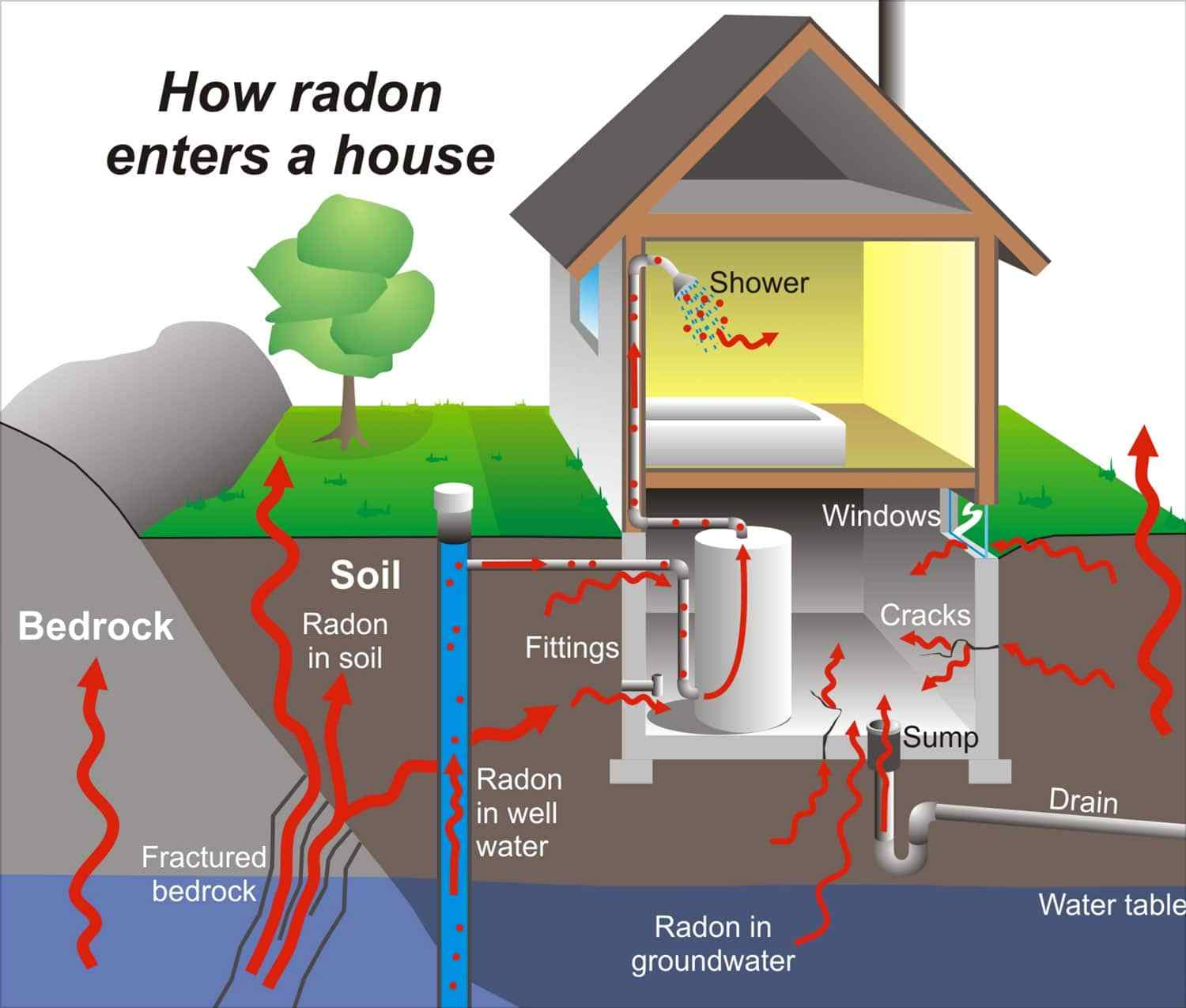
Radon enters buildings through:
- Cracks in foundations
- Sump pits
- Gaps around plumbing
- Construction joints
- Crawlspaces and porous concrete
Because radon is invisible, odorless, and tasteless, the only way to know your level is to test. In the United States, the EPA recommends taking action when indoor radon levels reach 4.0 pCi/L or higher, and many health organizations advise reducing levels even between 2.0–3.9 pCi/L to minimize long‑term risk.
Why Mitigation Matters
Long-term exposure to elevated radon is the second leading cause of lung cancer after smoking. Radon decays into radioactive particles that can damage lung tissue when inhaled. Mitigation significantly lowers that risk by reducing the concentration of radon inside your home.

How Radon Mitigation Works
1. Test and diagnose: A short-term or continuous monitor test determines your baseline radon level. A visual inspection identifies potential entry points and the best mitigation approach.
2. Create suction under the slab: For most homes, a sub-slab depressurization (SSD) system is installed. A hole is cored through the basement slab and a PVC pipe is inserted to create a suction point.
3. Add an inline radon fan: A quiet, exterior-rated fan is installed (often in the attic or outside) to pull radon-laden air from beneath the slab.
4. Vent safely above the roofline: The fan exhausts radon gas through a vent pipe that terminates above the roof, dispersing it harmlessly into outdoor air.
5. Seal entry paths: Cracks, sump lids, and penetrations are sealed to improve system efficiency (sealing alone is not a substitute for active mitigation).
6. Verify results: A post-mitigation test confirms levels are reduced—typically well below 4.0 pCi/L.
7. Maintain the system: Fans run continuously and usually last many years; periodic checks ensure the system is operating correctly.
Ask the Mayo Clinic:
This brief video tells you about the health concern from radon exposure.
Next Steps:
Not sure about your radon level? Start with a test. If results are elevated, our certified professionals can design and install a mitigation system tailored to your home.
Ready to get started? Contact us for a free quote!